Newsletters
Blog
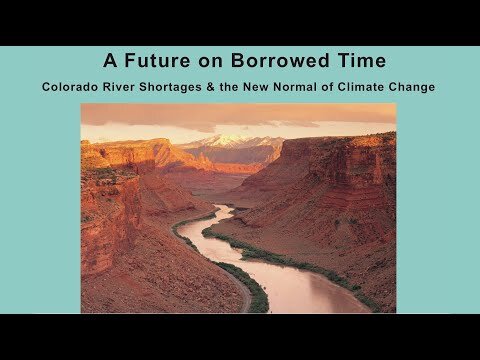
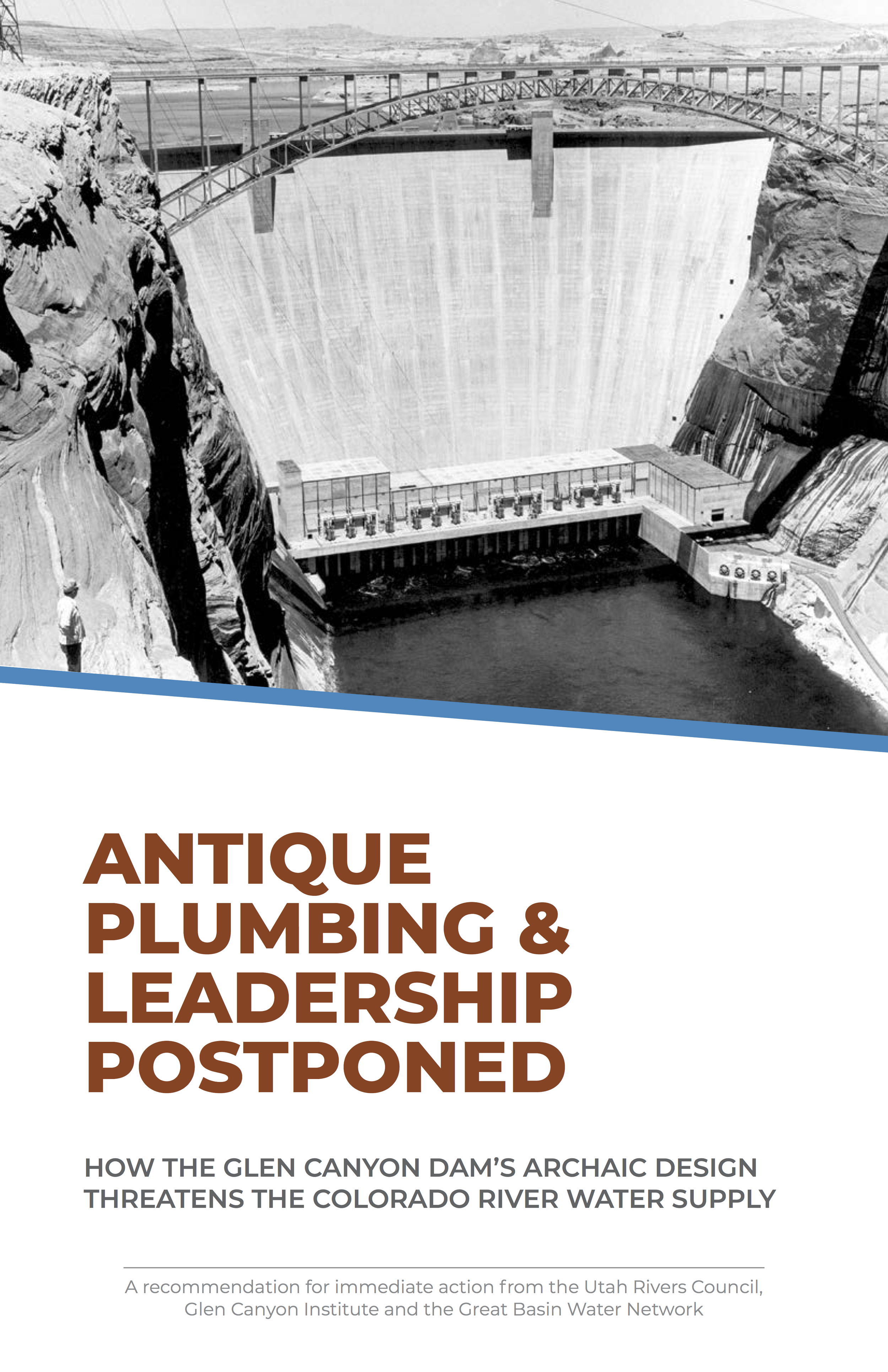
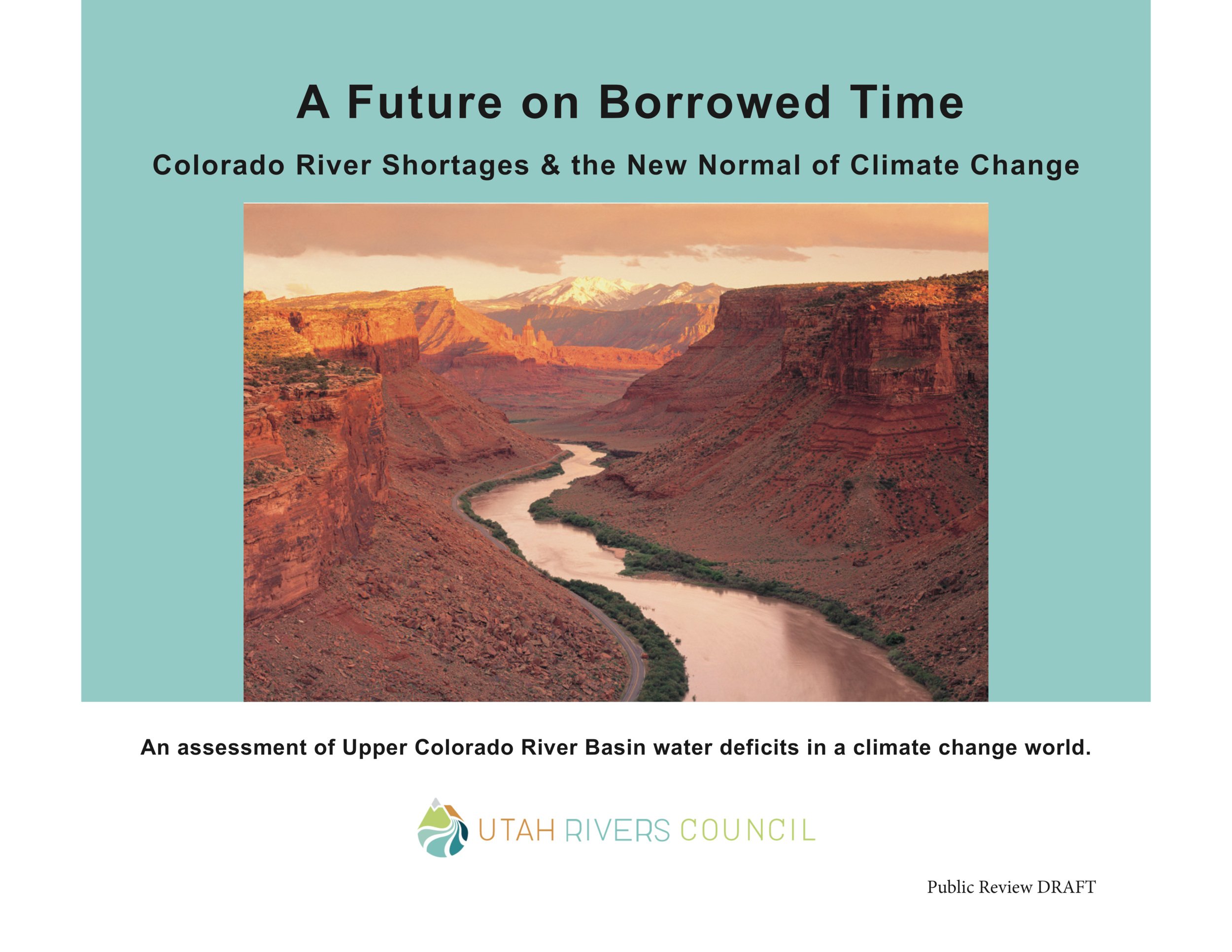
In partnership with the Great Basin Water Network, the Glen Canyon Institute, and several other organizations, Utah Rivers Council unveiled a new report on the imminent Colorado River crisis.
The Secretary of Agriculture just rescinded the Roadless Rule, a move that could undermine water quality for thousands of miles of streams across the American West.
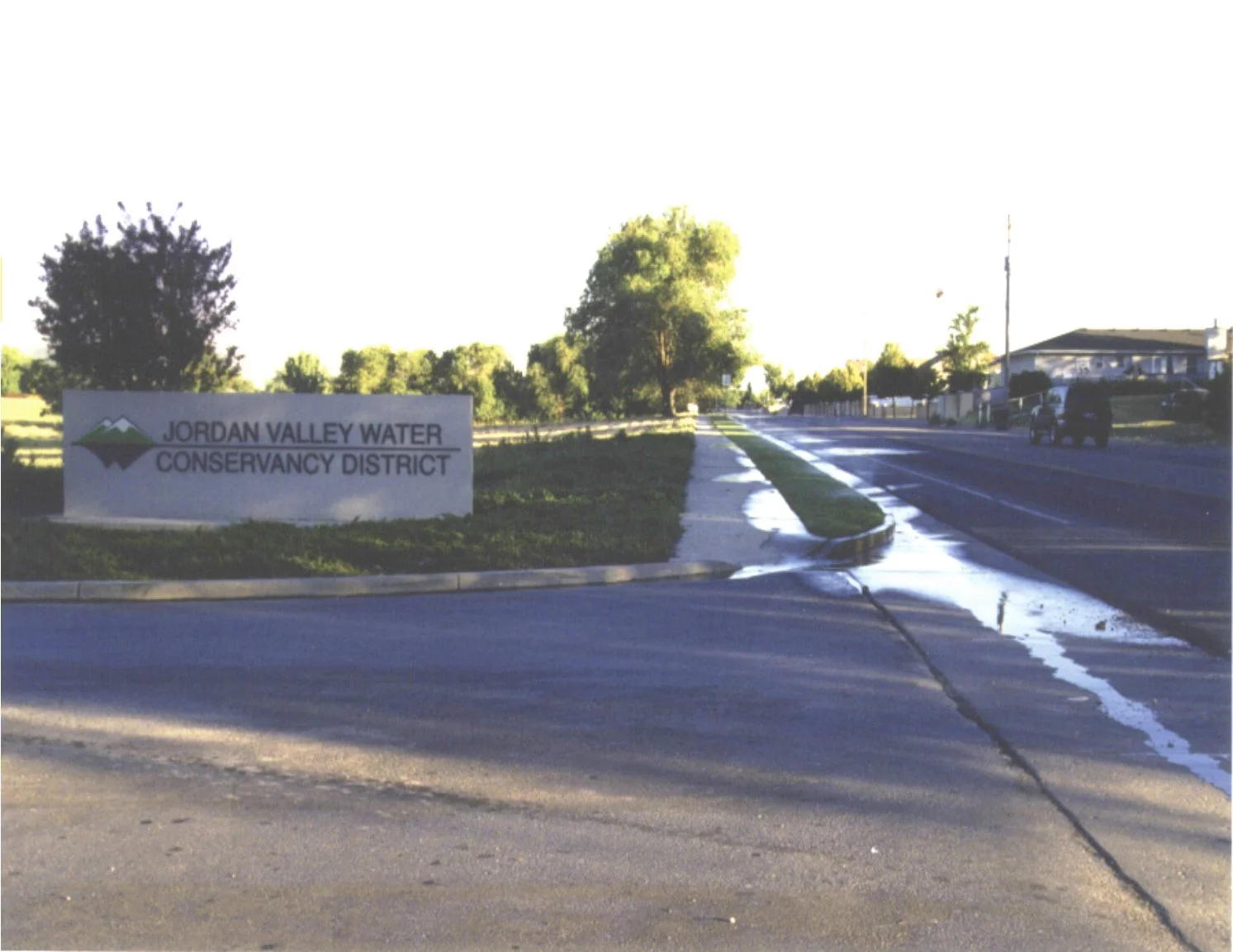
Over staunch objections from the community, the Jordan Valley Water District Board of Trustees raised its property tax collections on cars, housing, and businesses by 11% this month to keep its water rates low.
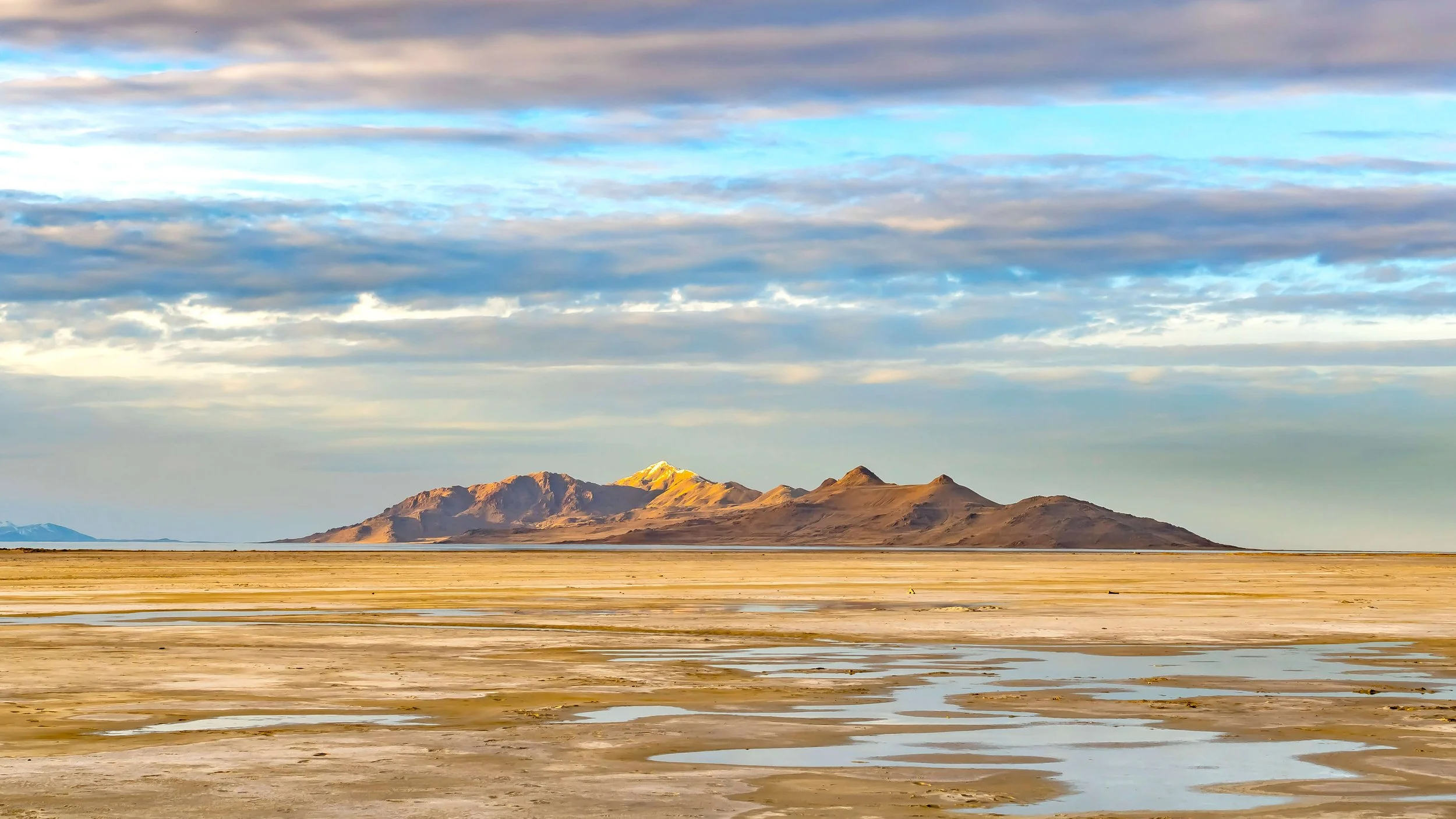
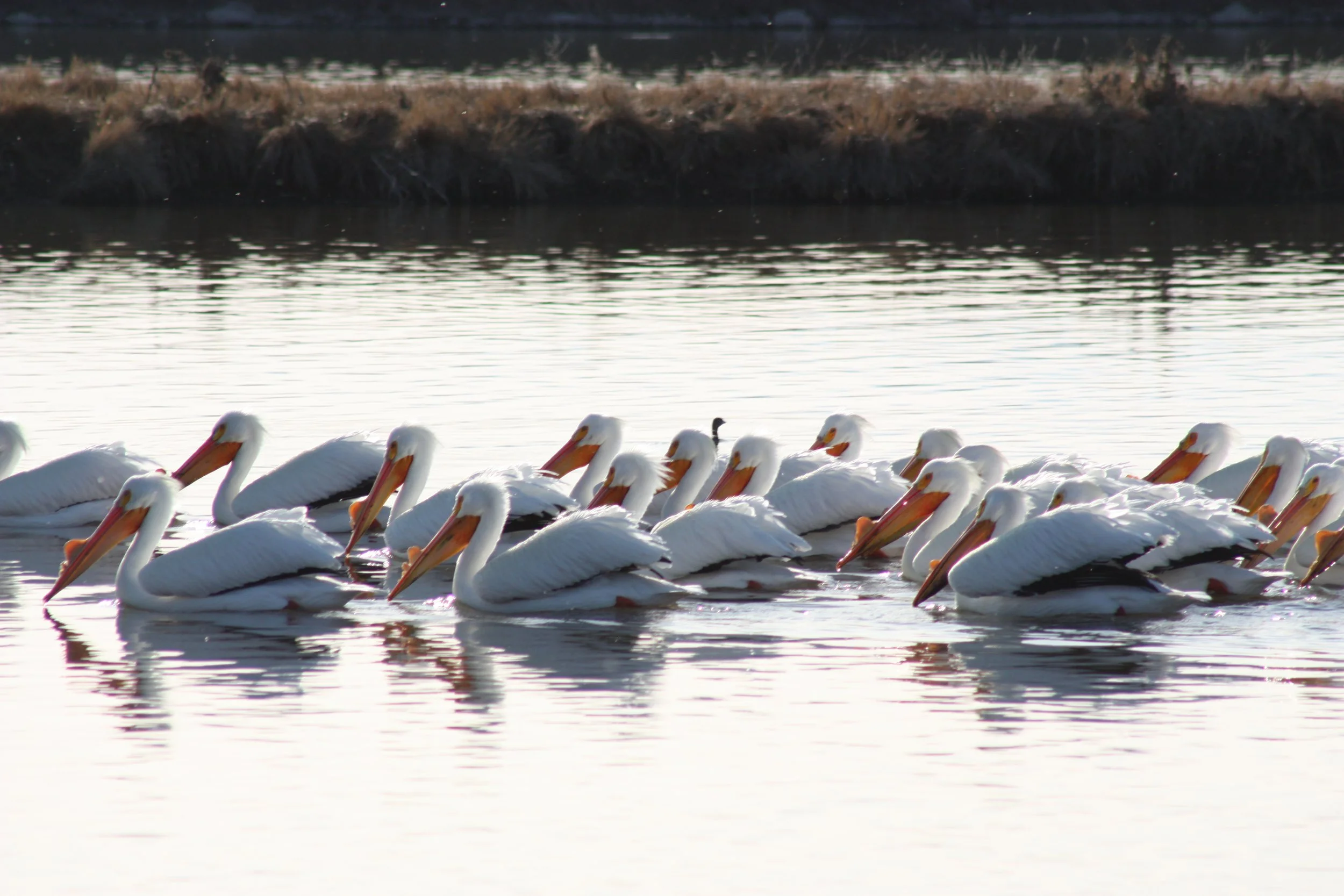
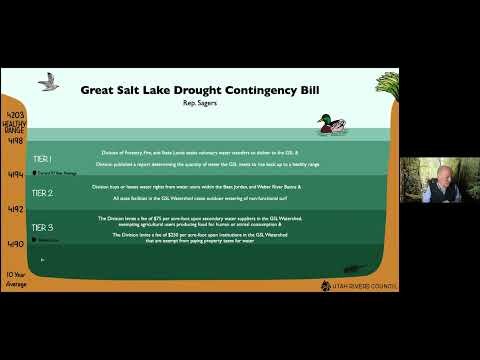
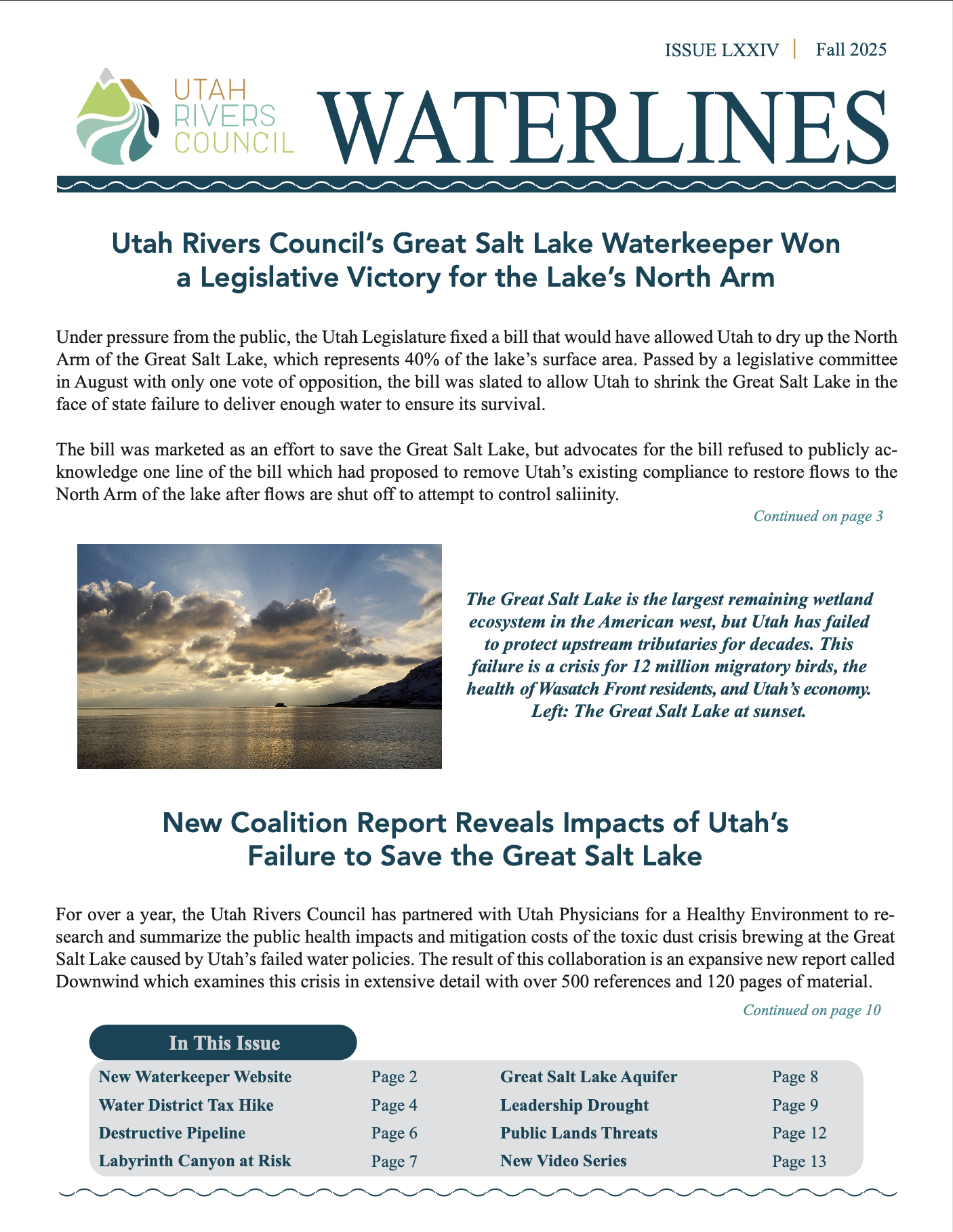
The Great Salt Lake’s South Arm dropped to 4,192 feet above sea level, triggering toothless conservation measures which are too little and far too late for this struggling ecosystem. The lake is now on track to hit a new historic low in 2026, jeopardizing the 12 million migratory birds it harbors annually, the $1.3 million lake-supported economy, and the health of all Wasatch Front residents. This is a disaster we could have avoided had state leaders not squandered the precious time they had to raise water levels.
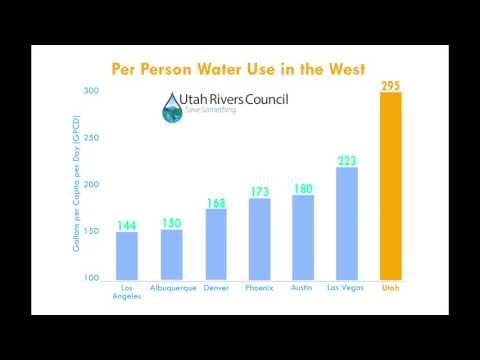
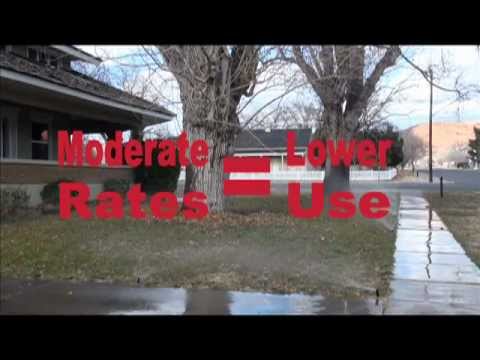
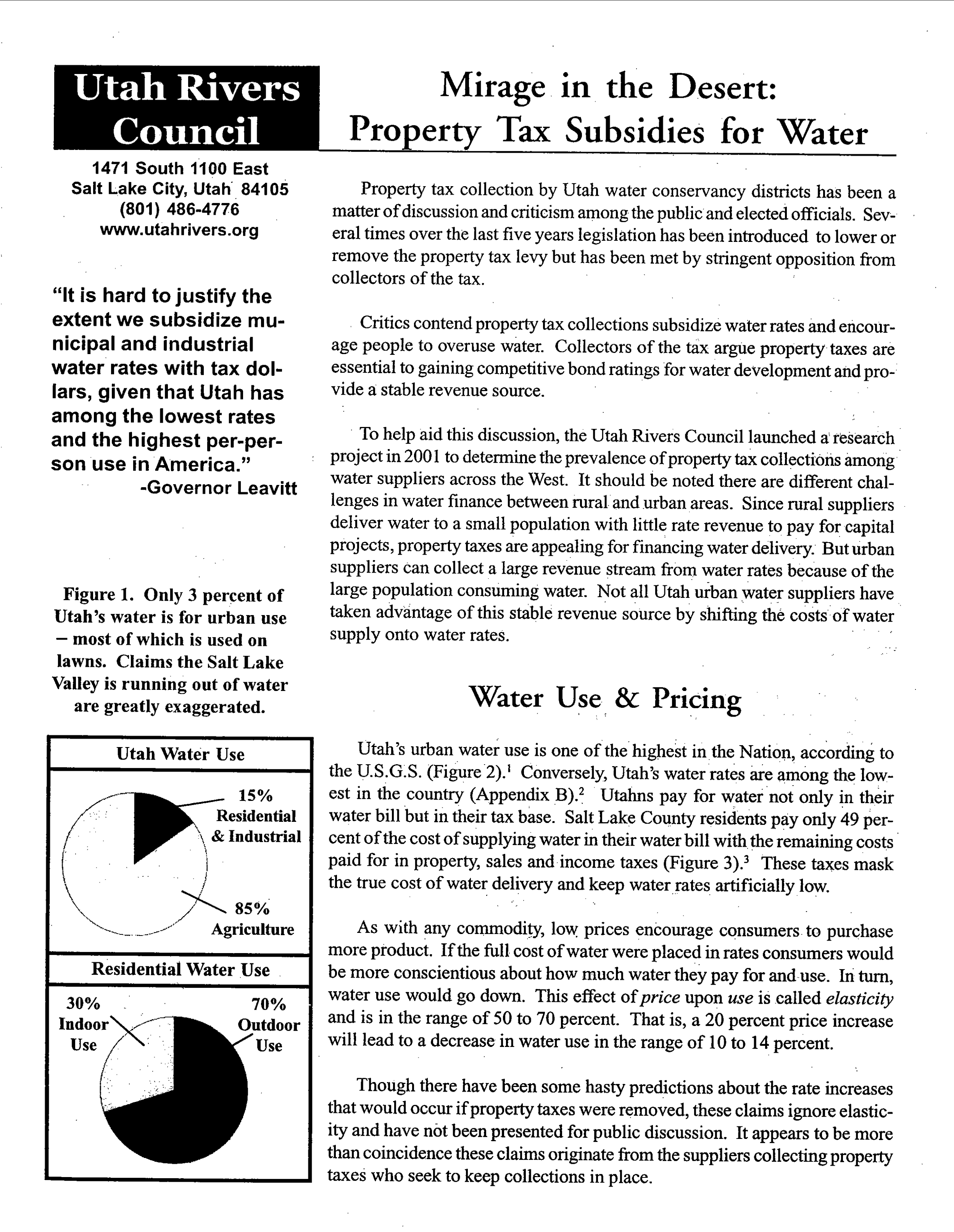
The Jordan Valley Water District is proposing to raise the property tax it charges on Utah’s homes, vehicles, and businesses. By collecting property taxes, Utah’s water districts are able to make our municipal water prices the cheapest in the country. And because our water is so cheap, Utahns waste it at higher per person rates than municipal residents of any other state. There just isn’t a compelling financial reason to save water, so many Utahns don’t even think to do so. This results in overwatered lawns, gutters flowing with sprinkler water, and a shrinking Great Salt Lake.
Exploiting the aquifer under the Great Salt Lake to mitigate lakebed dust will prove disastrous for the lake, Utah’s water future, and every Utah taxpayer.
All of Utah is already experiencing moderate to severe drought conditions, even as peak summer temperatures still lie ahead of us. In response, Governor Cox has once again called on Utahns to pray for rain. The Governor seems to have forgotten what he does for a living.
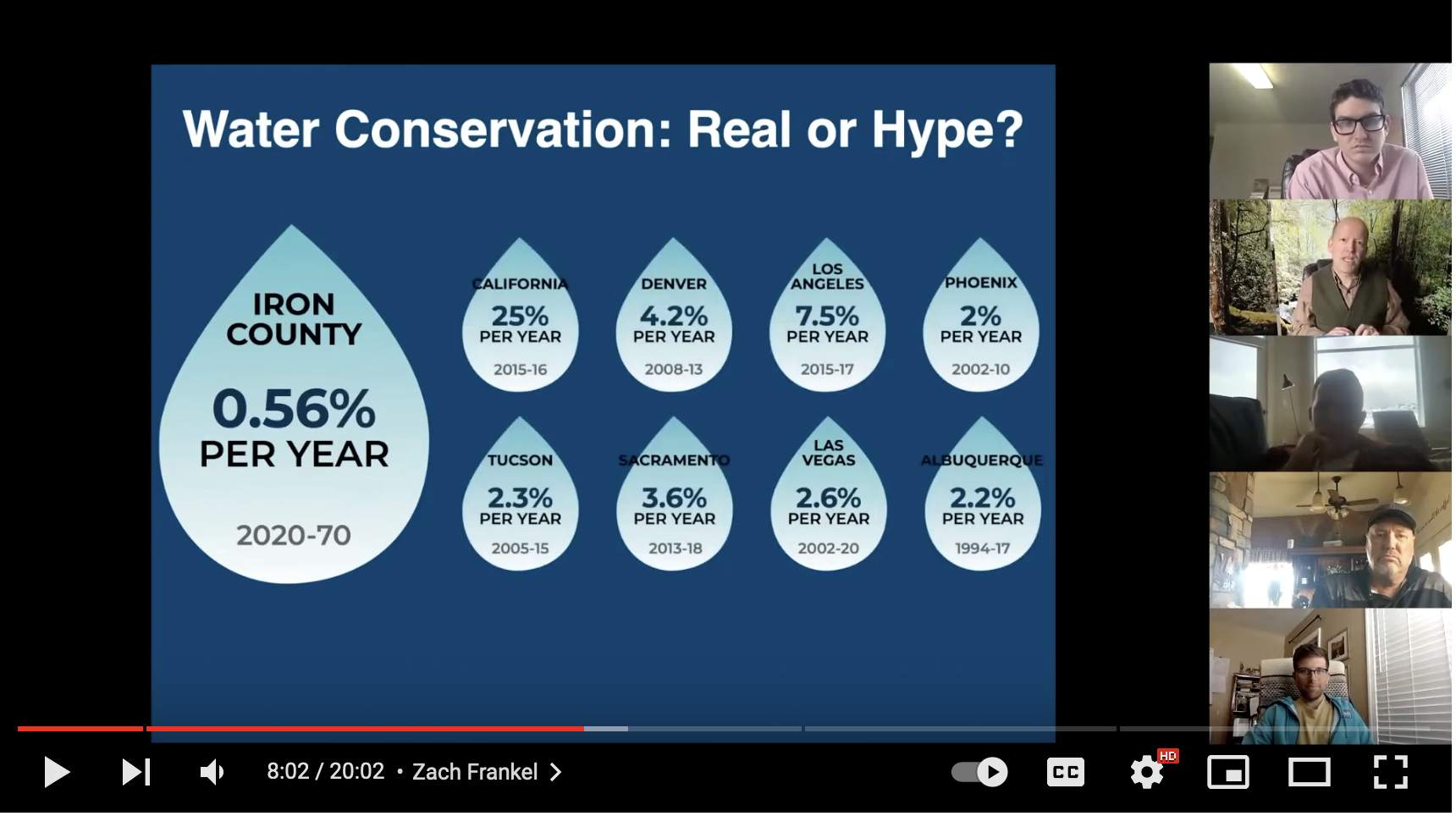
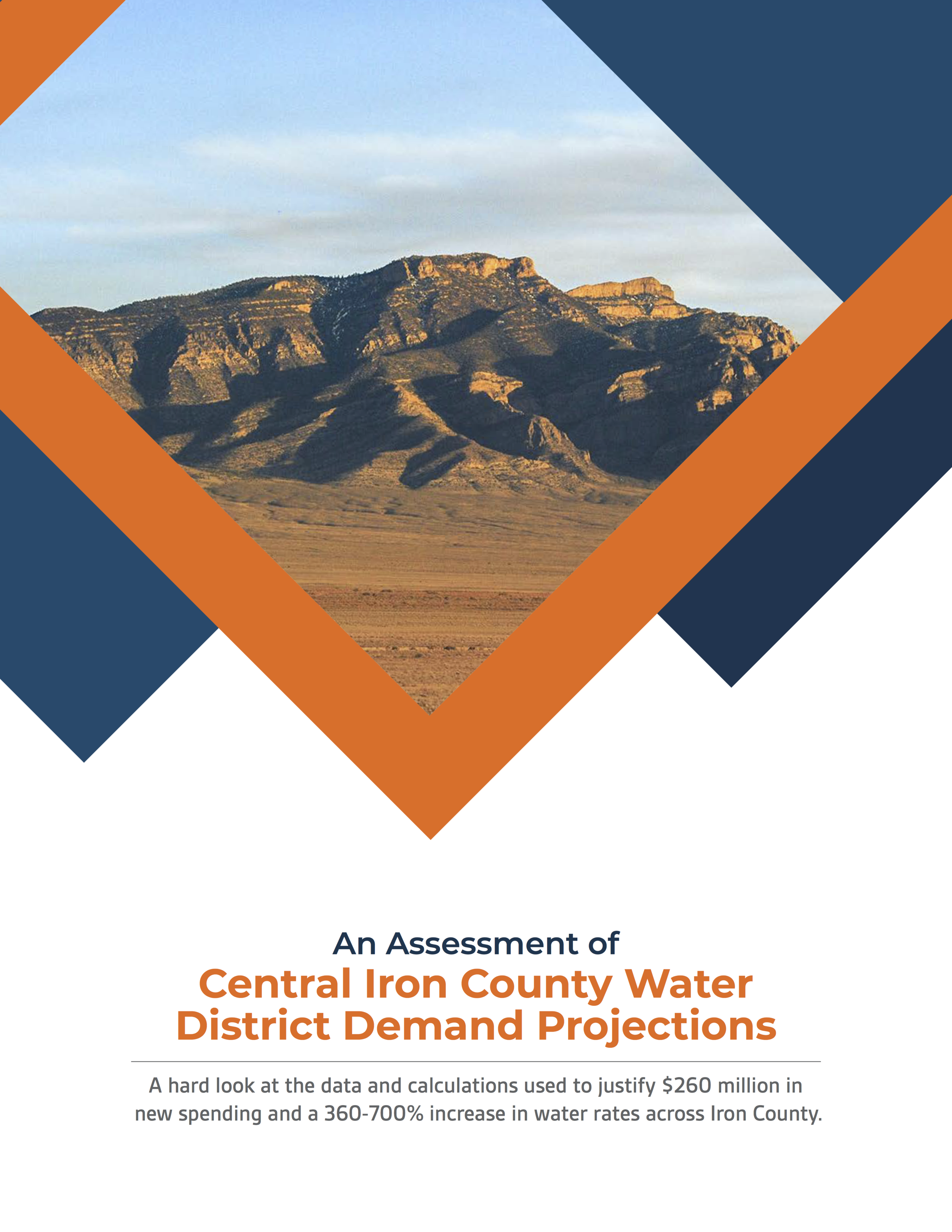
Instead of solving its water problems through commonsense water conservation and pricing measures, the Iron County Water District is eyeing a neighboring aquifer in Beaver County’s Pine Valley. The Iron County Water District’s plan is to build an expensive, $260 million pipeline to loot water from Pine Valley and deliver it to Iron County, enabling the region’s continued water waste.
Videos